
Planning a Commercial CCTV Installation: Camera Positioning, Coverage & What to Decide Before You Install
Planning a commercial CCTV installation involves more than deciding how many cameras to install. This guide explains how to plan camera positioning, coverage and recording around your business premises. It also covers low-light performance, remote viewing, upgrading existing equipment and what to check before approving a CCTV installation quote.
Commercial CCTV Installation Planning
Get Better Coverage, Clearer Footage and Easier Access by Planning the System Around Your Site
If you're planning a commercial CCTV installation for a warehouse, office, shop or other commercial premises, the number of cameras is rarely the best place to start.
You're more likely to be wondering:
Where do the cameras actually need to go?
Will they cover the areas that matter?
And how easy will it be to find the footage you need afterwards?
Perhaps you've already had a quote and aren't sure why certain cameras have been recommended.
Or you have an older system that still works, but no longer matches the way your premises are used.
A good business CCTV installation should be planned around your building, how people move around it and what you actually need the cameras to help you see.
This guide breaks down the main decisions to make before installation, so you can understand what is being recommended and choose a system that works properly for your site.
Commercial CCTV System Requirements
Use Existing Blind Spots, Site Changes and Day-to-Day Security Needs to Shape the Right CCTV Setup
When we survey a commercial site, we start with what you actually need to see and record before deciding where cameras should go.
A properly planned system should reflect the site, rather than starting with a fixed number of cameras.
| If This Sounds Like Your Premises | What It Could Mean for Your CCTV | What We Would Look at During a Site Survey |
|---|---|---|
| You can see an area on camera, but not enough detail when something happens | The issue may be camera position, viewing angle or the level of detail available | What you need to identify in that area and whether repositioning, different coverage or different equipment would give you clearer footage |
| Your entrances are covered, but yards, loading areas or quieter parts of the site are harder to see | Your current coverage may no longer match the areas that matter most to the business | How people and vehicles move around the site, which areas need priority and where additional cameras could improve coverage |
| Footage looks fine during the day but becomes less clear after dark | Lighting conditions may need to influence camera position and equipment choice | How each area changes throughout the day and whether the cameras can still capture the detail you need after dark |
| Your building has been extended, rearranged or changed since the CCTV was installed | An older system may leave new entrances, stock areas or working spaces outside its original coverage | Whether existing equipment can be repositioned, expanded or upgraded before recommending a completely new system |
| Managers need to check the premises when they are away from the site | Remote viewing or alerts may make managing the site easier | Who needs live or recorded footage, what they need to see and whether remote access would actually help day to day |
| You have an existing CCTV system but aren't sure whether to upgrade or replace it | Some parts of the current system may still be perfectly usable | We assess the cameras, recording equipment, cabling and coverage first, so replacement is only recommended where it makes sense |
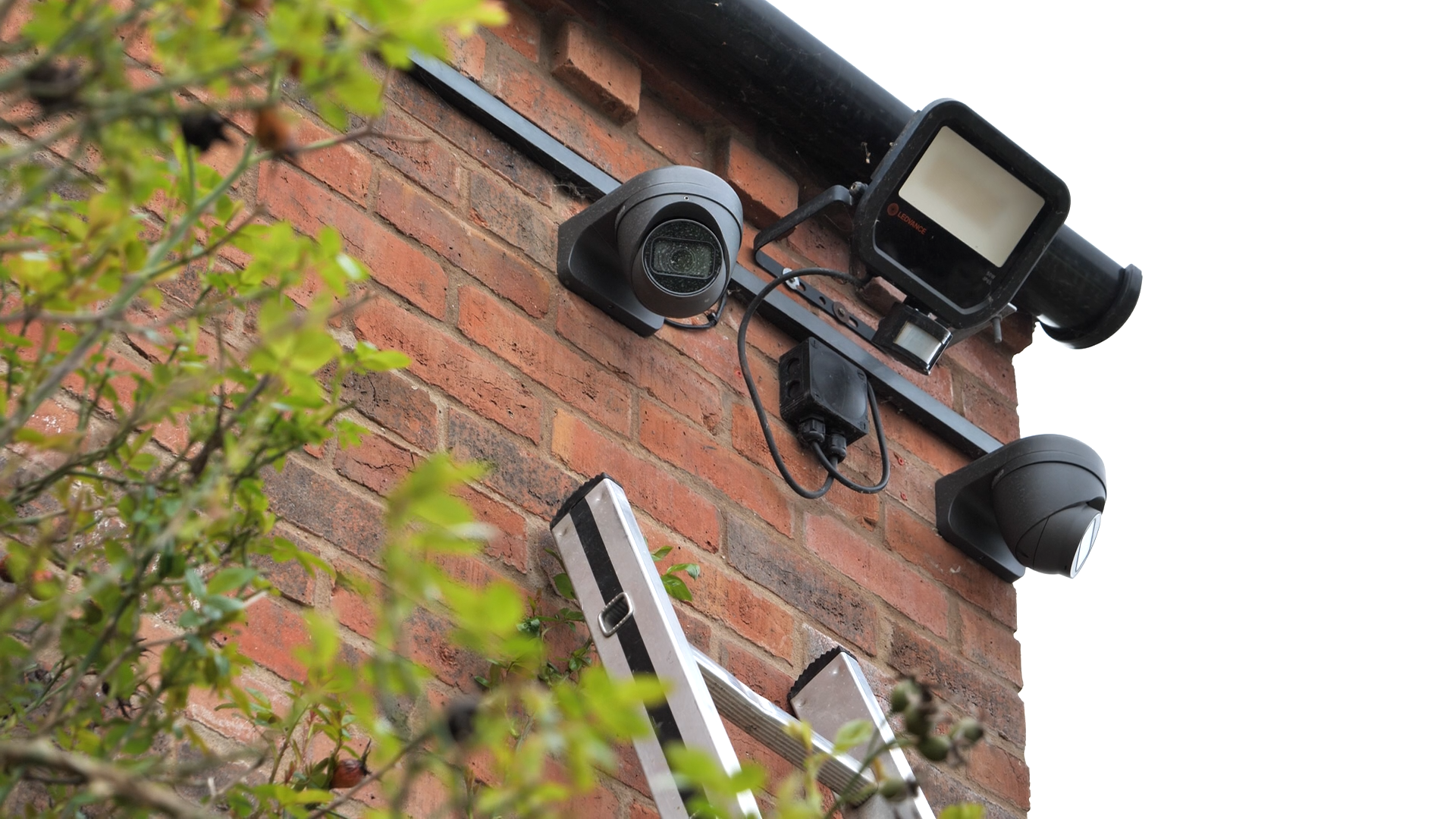
Commercial CCTV Camera Positioning
Position Cameras to Cover Key Areas, Record the Right Detail and Make Important Footage Easier to Review
Good camera positioning isn't about covering every square metre. More cameras do not automatically mean better coverage.
Think about the situations that would actually make you check the CCTV.
You may need to see:
- who entered through a particular doorway
- activity around a loading bay
- vehicles entering or leaving the site
- activity around stock or stored equipment
- access to a restricted part of the building
The aim is to balance a clear view of the wider area with enough detail where it matters most.
When we plan a
commercial CCTV installation, we look at which areas need wider coverage and where closer detail may be more important.
CCTV Coverage and Recording
Better Detail, Stronger Low-Light Performance and Footage That Helps You Understand What Happened
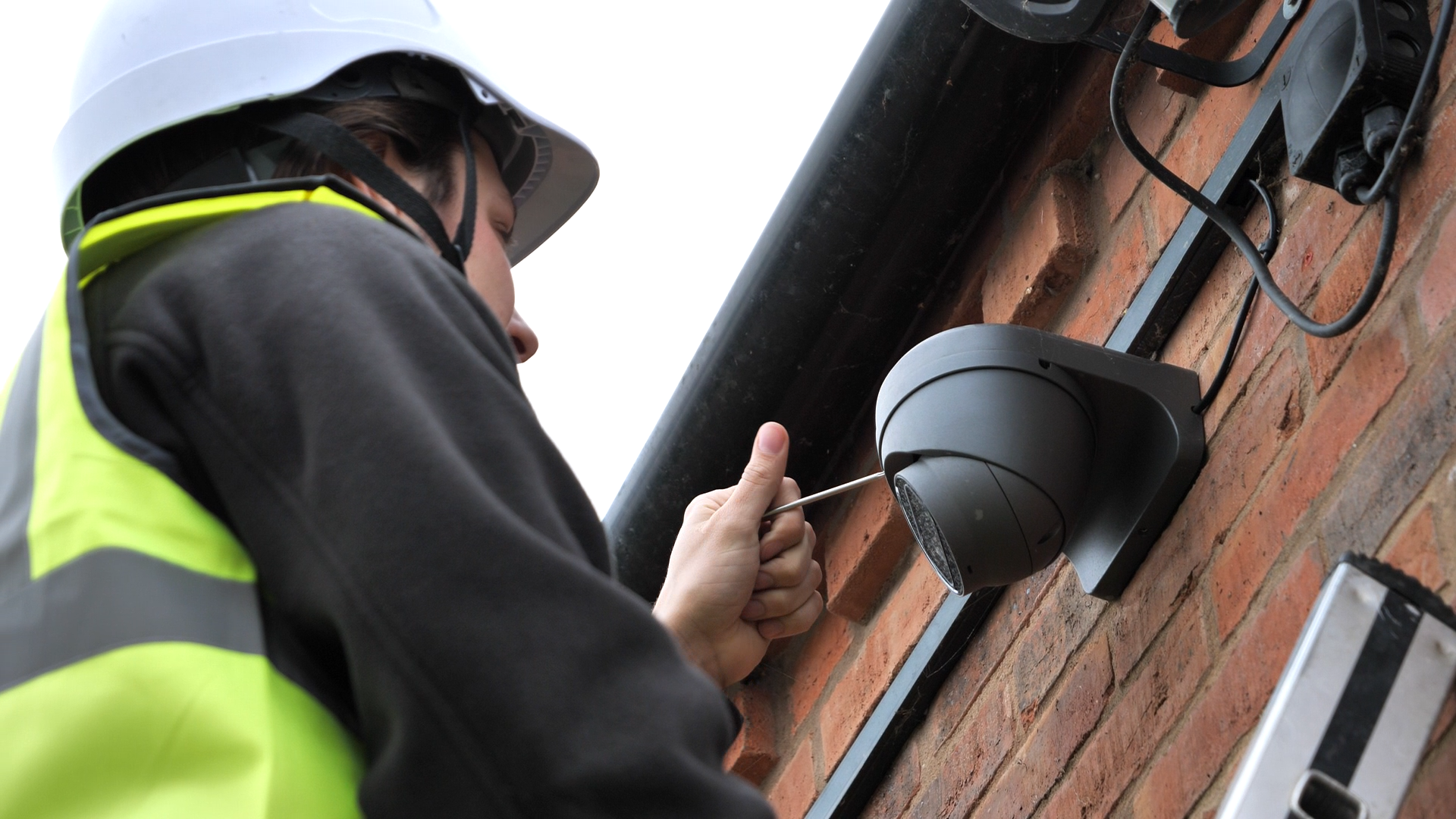
A camera being switched on does not automatically mean the footage will tell you what happened.
Before a CCTV installation, think about how the cameras need to perform at different times of day and in different parts of the site.
That includes:
- what the area looks like in daylight and after dark
- busy and quieter periods
- indoor and outdoor locations
- how long footage needs to remain available
- who needs to retrieve recordings
- whether existing cameras or equipment can still be used
There isn't a standard number of cameras every commercial premises should have.
The right setup comes down to the layout, what needs to be seen and the level of detail required in each area.
If you are upgrading an existing CCTV system, we would always look at what is already there before assuming everything needs replacing.
If existing cameras, cabling or recording equipment can still do the job properly, that should be part of the conversation.
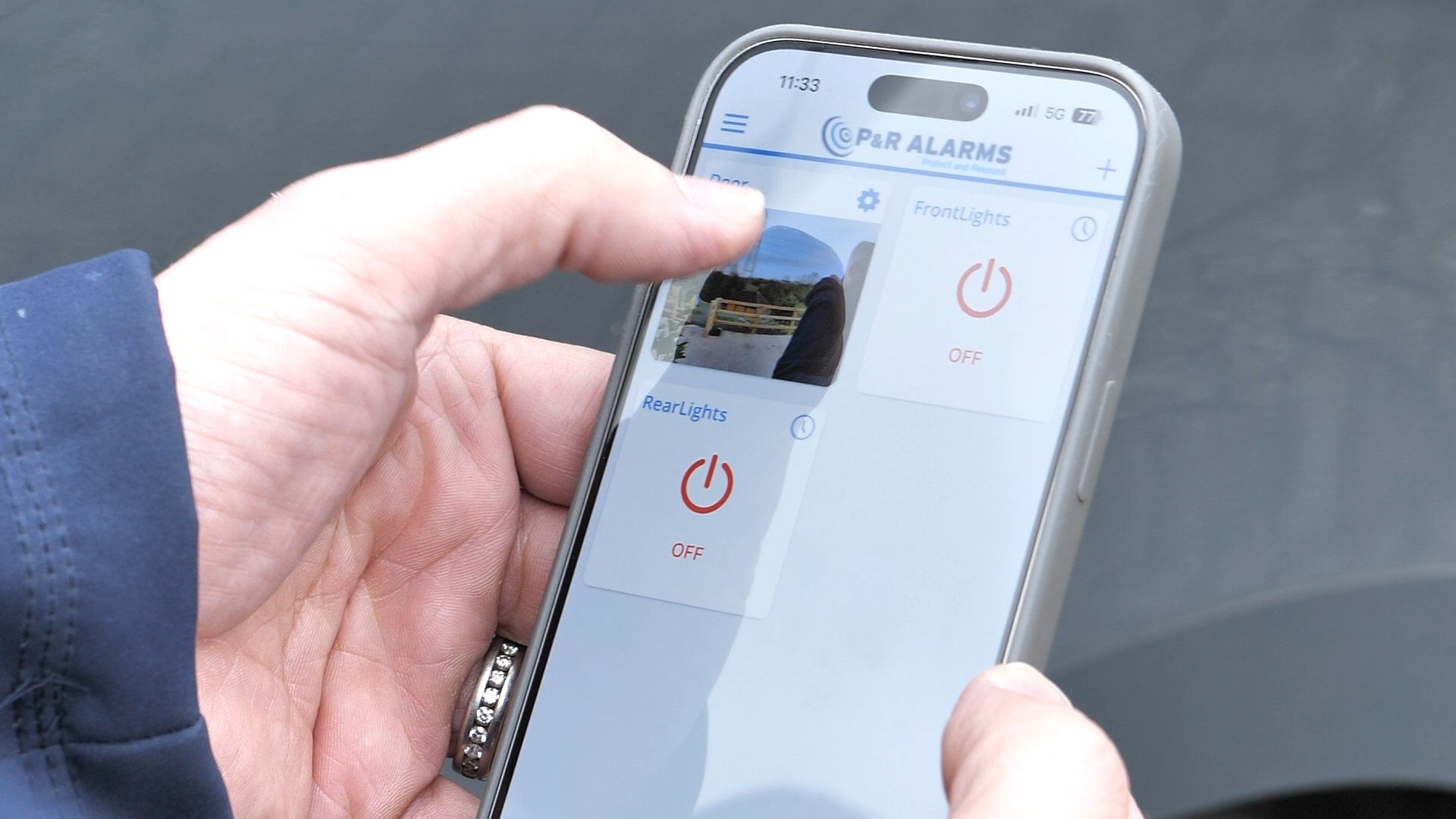
Commercial CCTV Monitoring and Remote Access
Plan Remote Viewing Around Who Needs Access, What They Need to See and How Often They Need It
Remote access can be helpful if managers need to check a site while they are away.
For a single-site business, that might simply mean being able to check live footage after hours.
For a larger operation, it could mean giving selected managers access to recorded footage across several locations.
Before choosing how the system will be accessed, ask:
Who needs access to the CCTV?
Do they need live viewing, recorded footage or both?
Do you need to view more than one site?
Who should be able to change system settings?
What alerts would actually help?
We can design a commercial CCTV installation to include remote viewing, recording and links with other security systems where that suits the way your premises operate.
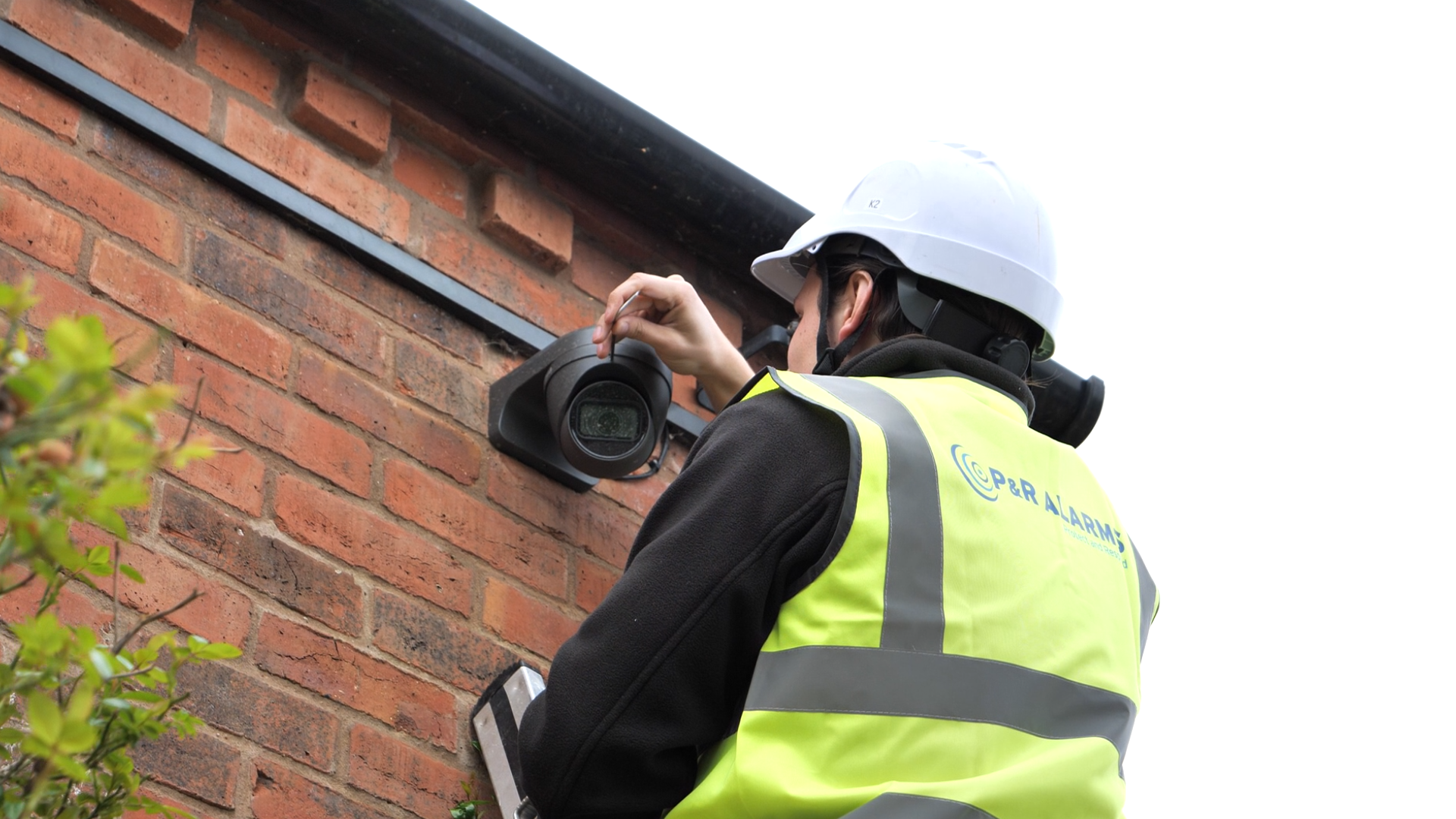
Choosing a Commercial CCTV Installer
Compare What You’re Getting, Why It Has Been Recommended and What Happens After Installation
Before approving a commercial CCTV installation, you should be able to answer:
What problem is each camera solving?
Which areas have been prioritised and why?
How will changing light affect coverage?
How do we retrieve footage?
Can the system be expanded later?
What happens if equipment needs maintenance?
Can existing equipment be incorporated where appropriate?
If a CCTV installer tells you how many cameras you are getting but not what each one is there to do, ask why.
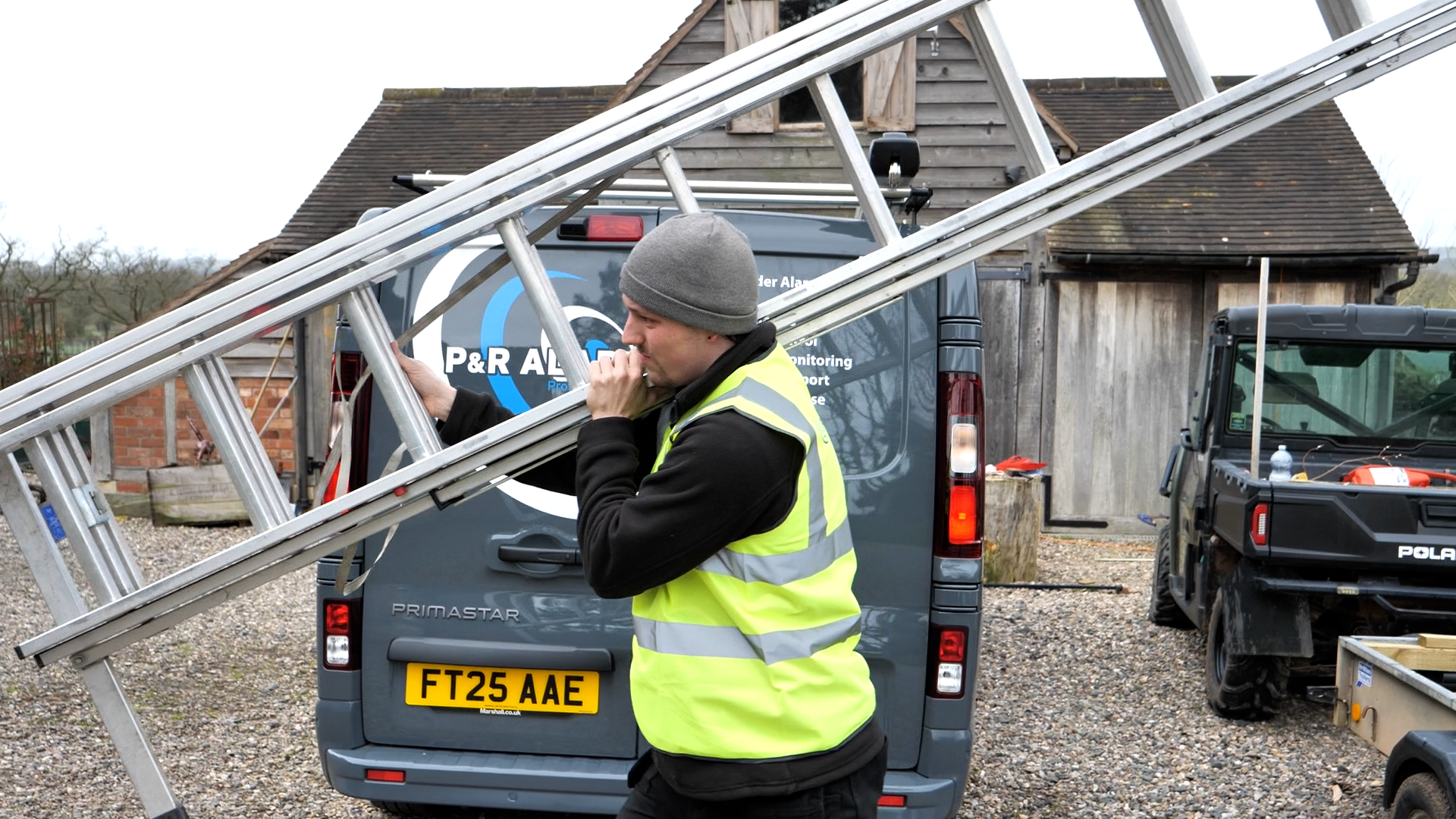
Commercial CCTV Installation In The Midlands
Work With an Engineer-Led, NSI Gold Accredited Team With Over 40 Years of Experience
We've been protecting homes and businesses across the Midlands since 1983, and our recommendations come from engineers rather than a sales team.
Working with us gives you:
- Over 40 years of experience, with a team that has worked across a wide range of commercial sites
- NSI NACOSS Gold accreditation, giving you independent reassurance that recognised standards sit behind the work
- Engineer-led recommendations, based around your premises rather than a standard package
- Installation, upgrades and ongoing maintenance, so support does not end once the cameras are fitted
- Ongoing engineering support, including 24/7 assistance for relevant service-agreement customers
Based near Worcester, we support businesses across Worcestershire and the wider Midlands, including:
- Worcestershire
- Herefordshire
- Warwickshire
- West Midlands
- Surrounding Midlands areas
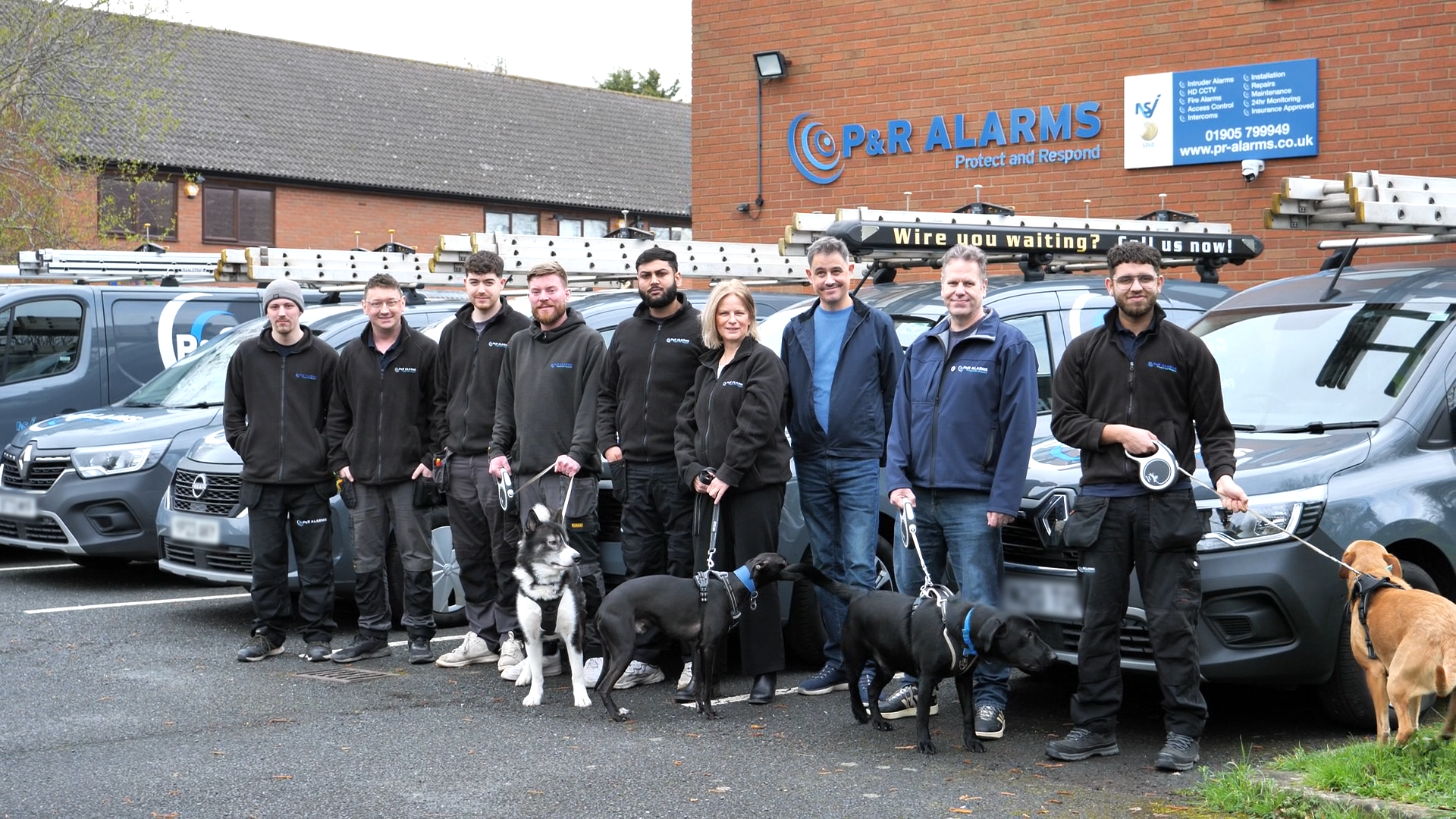
Commercial CCTV Site Survey
Understand the Coverage, Camera Positions and System Your Premises Need Before You Commit
We've been protecting homes and businesses across the Midlands since 1983, and our recommendations come from engineers rather than a sales team.
Working with us gives you:
- Over 40 years of experience, with a team that has worked across a wide range of commercial sites
- NSI NACOSS Gold accreditation, giving you independent reassurance that recognised standards sit behind the work
- Engineer-led recommendations, based around your premises rather than a standard package
- Installation, upgrades and ongoing maintenance, so support does not end once the cameras are fitted
- Ongoing engineering support, including 24/7 assistance for relevant service-agreement customers
Based near Worcester, we support businesses across Worcestershire and the wider Midlands, including:
- Worcestershire
- Herefordshire
- Warwickshire
- West Midlands
Commercial CCTV Installation FAQs
Get Answers on Cost, Installation Time, Disruption, CCTV Rules, Maintenance and Choosing an Installer
How Much Does Commercial CCTV Installation Cost?
The cost of a commercial CCTV installation varies with the size and layout of the premises, the number and type of cameras required, recording needs, cabling, remote access and whether any existing equipment can be reused.
That is why we do not start with a standard package.
We assess the site first, look at what you need the CCTV to do and then provide a recommendation and quotation based on the premises.
How Long Does Commercial CCTV Installation Take?
There is no fixed installation time.
The main factors are the size of the site, number of cameras, access to the areas involved, cabling routes and whether the work is part of a new system or an upgrade.
A smaller business CCTV installation may be relatively straightforward, while a larger warehouse or multi-area site will usually need more planning.
During our site survey, we can assess what is involved and explain what the work is likely to require before you commit.
Can CCTV Be Installed While My Business Is Still Operating?
In many cases, yes.
A commercial CCTV system can often be installed while the business remains open.
We look at how your site operates during the survey so the work can be planned around staff, customers, deliveries and any areas where disruption needs to be kept to a minimum.
Do I Need Planning Permission for CCTV Cameras at My Business?
Most commercial CCTV installations will not need planning permission, although the building and camera location can affect this.
Listed buildings, sensitive locations or certain external installations may need extra checks.
We can help plan the CCTV camera installation around the building, but where planning permission may apply, it is worth confirming this with the relevant local planning authority before work starts.
Can Commercial CCTV Record Audio?
Some CCTV equipment can record sound, but audio should only be used where there is a clear reason for it.
When we plan a commercial CCTV installation, we focus on what the business needs the system to achieve.
If video alone does the job, there may be no reason to add audio simply because the equipment supports it.
Do Businesses Need CCTV Signs?
If your CCTV records identifiable people, you will normally need clear signage letting people know CCTV is in use and why it is being used.
You also need to think about how footage is stored, accessed and managed.
For that reason, signage and footage management should be considered during the planning of a business CCTV system, not after the cameras are fitted.
How Long Should a Business Keep CCTV Footage?
There is no single retention period that applies to every commercial CCTV system.
Footage should generally only be kept for as long as it is needed for the reason it was recorded.
It is worth deciding your recording requirements before the CCTV installation so storage and system settings match the way the footage will actually be used.
Who Should Have Access to CCTV Footage at Work?
CCTV footage should only be available to the people who need to view or manage it.
When we discuss remote viewing and recording as part of a commercial CCTV installation, we look at who needs access, what they need to see and how the system will be managed day to day.
Different users may need different levels of access.
What Maintenance Does a Commercial CCTV System Need?
CCTV should not simply be fitted and forgotten.
Cameras can move, views can become obstructed and recording equipment can develop faults over time.
We provide CCTV installation and maintenance, so our support can continue after the system is fitted.
That means faults, site changes and potential upgrades can be picked up before they start affecting the performance of the system.
What Should I Look for When Choosing a Commercial CCTV Installer?
Look beyond the number of cameras on the quotation.
A good commercial CCTV installer should be able to explain why each camera has been recommended, what it needs to capture, how footage will be recorded and accessed, and what support is available afterwards.
Our recommendations come from engineers rather than a sales team.
We've been working with homes and businesses since 1983 and hold NSI NACOSS Gold accreditation, so our site surveys start with understanding the premises and what you need the CCTV to do before we recommend a system.
Commercial CCTV Installation FAQs
Get Answers on Cost, Installation Time, Disruption, CCTV Rules, Maintenance and Choosing an Installer
You shouldn't have to approve a commercial CCTV installation without understanding what each camera is there to do.
Our recommendations come from engineers, so the site survey starts with how your premises are used and what you need the CCTV to help you see.
Book a free site survey to:
- walk through the areas you want to monitor and understand which need the most attention
- see where cameras could provide the right level of coverage
- decide how you need to view, record and retrieve footage
- receive a recommendation and quotation based on your premises, not a standard package
You should leave knowing what has been recommended, why it has been recommended and how the system would work for your business day to day.
Expert Fire & Security Solutions, Built Around You
Whether you're planning a new installation, upgrading an existing system or looking for ongoing maintenance, our experienced engineers can help you find the right solution for your home or business.